

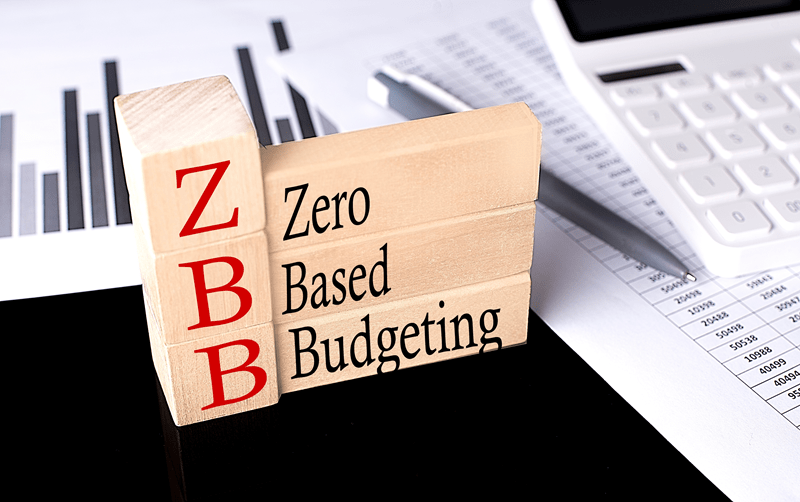
Zero-Based Budgeting is a planning method where every expense starts from zero. Nothing is added just because it was there before. Every cost must be explained again, clearly and honestly.
In this blog, you will learn what Zero-Based Budgeting really means, how it works in real planning, simple examples, its advantages, its disadvantages, and how people apply it in everyday situations.
Must Read: Best Budgeting Tips for Beginners Living on Paychecks Smartly
The common confusion among people is ‘what is Zero-Based Budgeting (ZBB)’. It is a planning method where each new period begins with a clean slate. Old plans do not dictate new spending. Every expense must show a clear reason to exist.
This approach forces people to stop and think. Instead of repeating past habits, they review everything again. Zero-Based Budgeting (ZBB) is often asked when plans start feeling heavy or unclear.
In simple words, Zero-Based Budgeting (ZBB) means nothing is approved automatically. Every cost must earn its place. This helps people stay alert and avoid careless decisions. Over time, this way of planning builds stronger awareness.
Zero-Based Budgeting always begins with a blank page, with all the needs written properly and clearly. Nothing is assumed to be necessary just because it existed earlier.
Each expense is checked calmly to see if it still matters today. This step removes actions that no longer add value. It also prevents money or effort from being wasted quietly.
The process will become more natural after regular usage. People start questioning choices without stress. Planning feels more controlled and less confusing as habits improve.
The following list will help you with a few zero based budgeting examples:
A common real-life case is a household that plans its monthly needs from scratch. Rent, groceries, travel, and utilities are reviewed again instead of copying last month’s list. Unnecessary items are removed early.
Many working professionals use this method to reset spending every month. Subscriptions, food habits, and travel costs are reviewed freshly, helping them avoid silent money leaks.
Families often change needs every few months. Using this approach, parents review school costs, daily needs, and shared expenses again, instead of assuming last year’s plan still fits.
In small teams, tasks are reviewed one by one at the start of a new period. Only activities that clearly help current goals are approved, while outdated tasks are dropped.
Students often plan monthly allowances using this method. Each expense, like food, travel, and learning, is written fresh to help them stay aware and avoid overspending.

The main advantages of zero-based budgeting are explained in the following list:
Every expense must be explained before approval. This creates strong awareness of how resources are being used. One of the main advantages of zero-based budgeting is knowing the reason behind every decision. Nothing feels hidden or unclear.
Old habits do not survive easily in this method. If something no longer helps, it is removed without guilt. The advantages of zero-based budgeting include cutting waste gently but firmly, without confusion or pressure.
Plans are built around present needs, not past routines. This keeps focus sharp and relevant. These advantages of zero-based budgeting help people stay connected to what truly matters right now.
There are also disadvantages of zero-based budgeting that should be understood honestly.
Every expense needs attention and review. This takes more time than repeating old plans. One of the known disadvantages of zero-based budgeting is the effort required at the start.
This method asks for focus and honesty. Therefore, if you are not careful, it can feel very tiring. You can avoid these issues by improving your planning skills.
Starting from zero may feel stressful in the beginning. Many people prefer familiar routines. These disadvantages of zero-based budgeting slowly fade with regular practice.
Top Pick: Quick Tips for Saving Money on Transportation Costs
The following list will help you with the simplest and practical steps to apply the ZBB method:
Begin by writing down every need from scratch. Do not look at past plans while doing this. This step helps you see what is truly required today, not what existed before.
You need to go check everything slowly to make sure that it makes sense. It is essential for you to understand if it actually adds something valuable to your life or not.
Items that do not feel useful or important should be removed without any hesitation. This will help you to reduce the wastage of resources and make sure you maximize their potential.
When you are done reviewing all the items, it is essential for you to assign a limit based on importance. Your focus should be on needs coming first and optional items coming later. This helps keep control without feeling restricted.
Planning should not be fixed forever. Thus, you should review your list often and make changes when needs shift. This can make the method flexible and easy to follow over time.
Zero-Based Budgeting helps people plan with clarity by starting from zero every time. It removes waste, improves focus, and builds better habits. With steady use and simple steps, this method becomes easier to follow and supports stronger planning decisions in daily and long-term situations.
It is a method where every expense starts from zero and must be explained clearly.
A zero-based budgeting example includes listing all needs fresh and approving only those that truly matter.
The advantages of zero-based budgeting include better control, reduced waste, and clearer planning.
The disadvantages of zero-based budgeting include extra effort and the need for careful focus.
It may feel challenging at first, but with practice, it becomes simple, structured, and easier to manage.
This content was created by AI